

Professional Fly Control in Tucson Az
Dealing with pesky house flies, fruit flies, or drain flies invading your Tucson home or business? At Desert Shield Pest Control, we provide fast, eco-friendly flies control in Tucson AZ using scientifically proven methods. Our licensed technicians guarantee results with bi-monthly plans tailored for Southern Arizona's hot, humid conditions that breed flies during monsoon season.
Common Fly Problems in Tucson
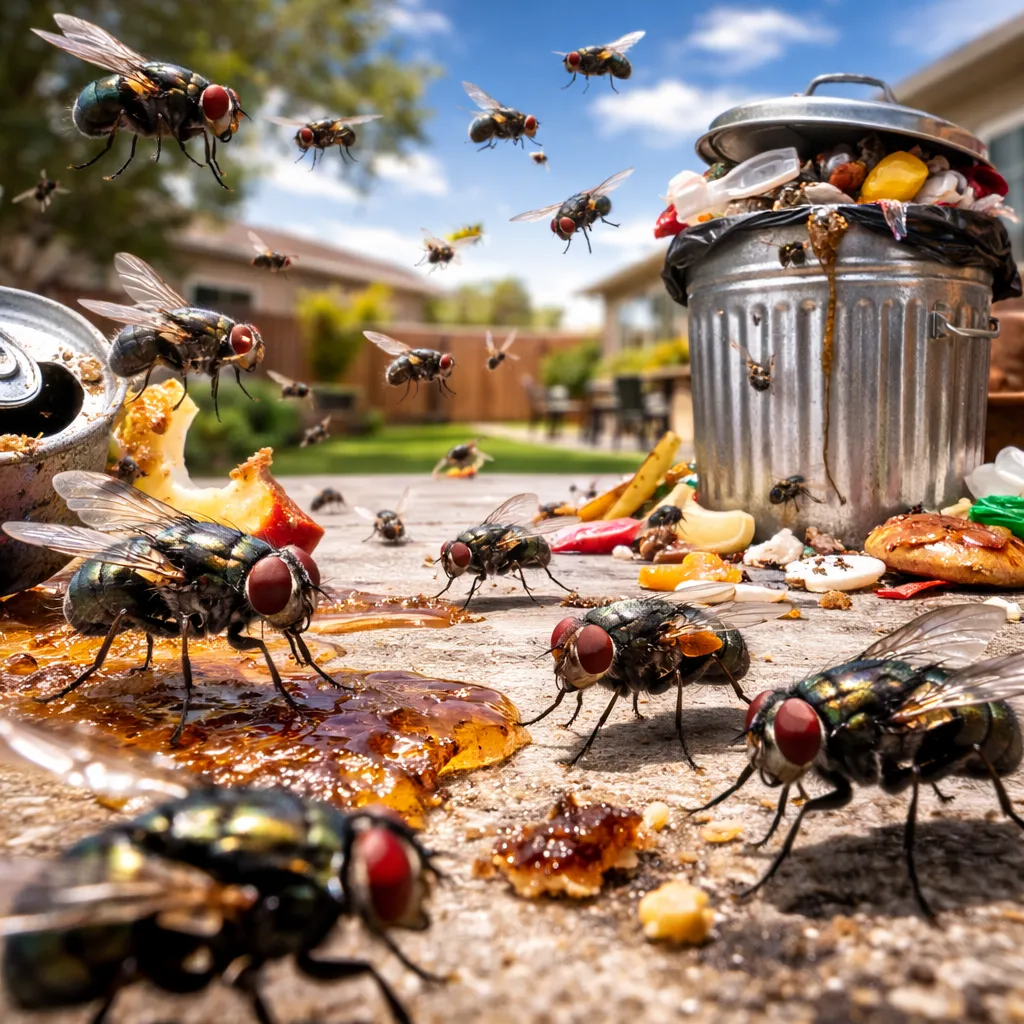
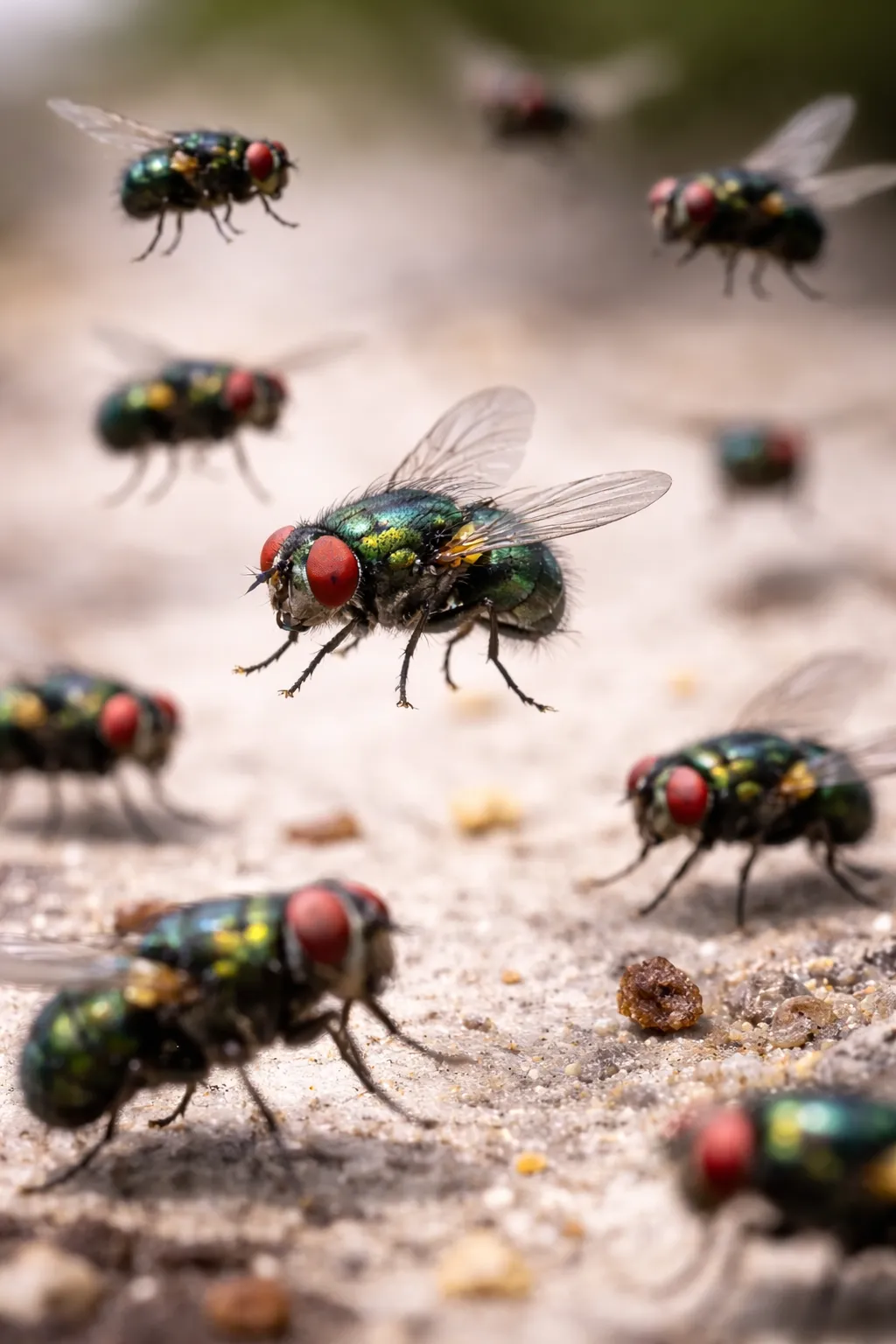
House Flies: Breed in garbage, pet waste, trash bins; carry diseases like salmonella.
Fruit Flies: Thrive on overripe produce; common in kitchens.
Drain Flies: From clogged pipes; persistent in bathrooms.
In Tucson metro areas, flies surge 200% in summer due to heat and standing water.

Understanding Flies
What Are Flies?
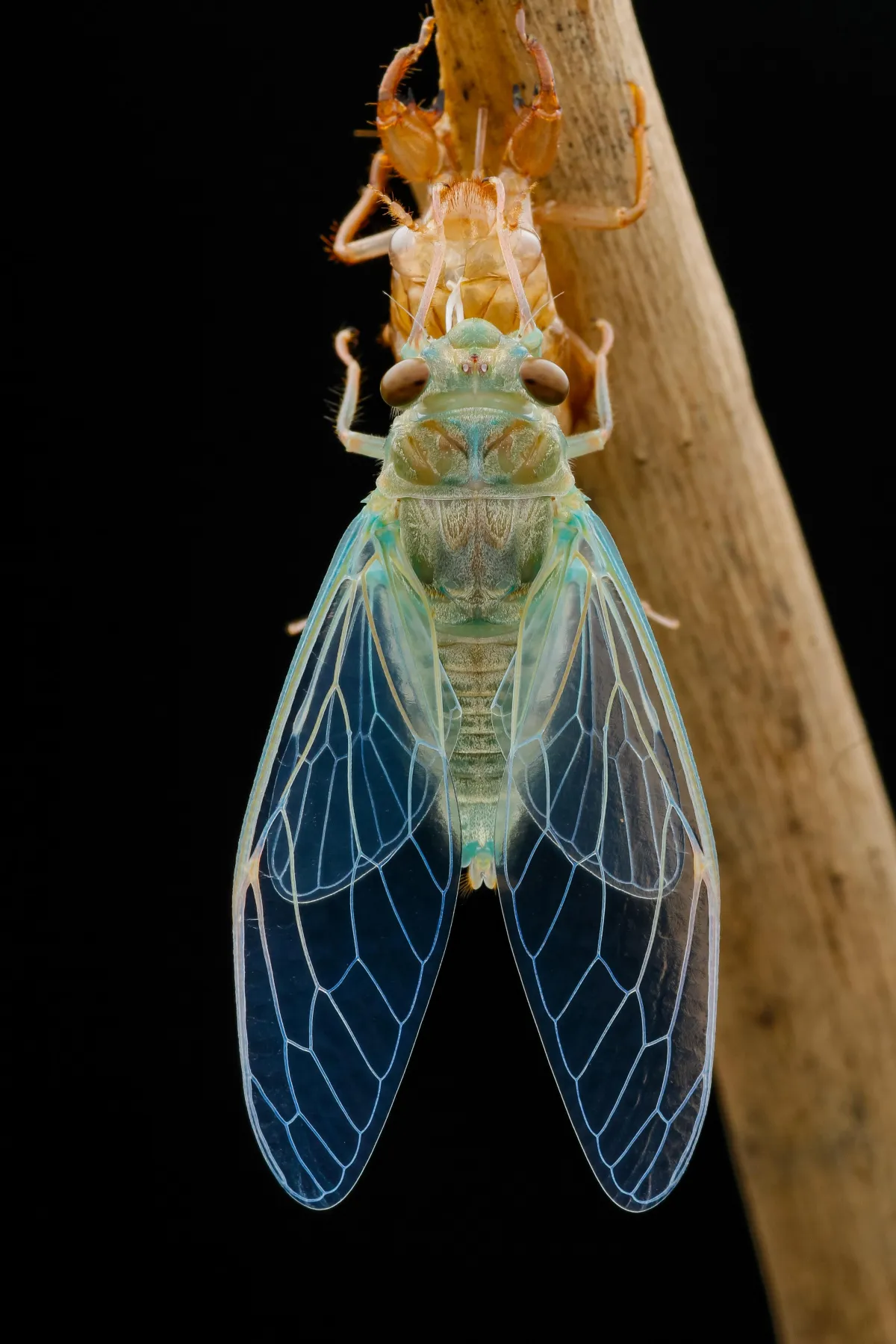
Flies belong to the order Diptera and are characterized by having a single pair of wings. Despite their simple appearance, flies are sophisticated pests that can cause significant problems in residential and commercial settings.
Flies Characteristics
Appearance: Three distinct body regions (head, thorax, abdomen), narrow "waist," elbowed antennae
Size: Typically range from 1/12 to 1 inch depending on species
Colony Structure: Queen(s), female workers, and males with specialized roles
Lifespan: Can range from several weeks to several years depending on species and role
Diet: Omnivorous, but many species are particularly attracted to sweets or proteins
Signs of a Fly Infestation
You may have a fly problem if you notice:

Numerous Adult Flies:
Visible flies buzzing around windows, lights, or food
Small Dark Spots:
Fly excrement on windows, walls, or light fixtures
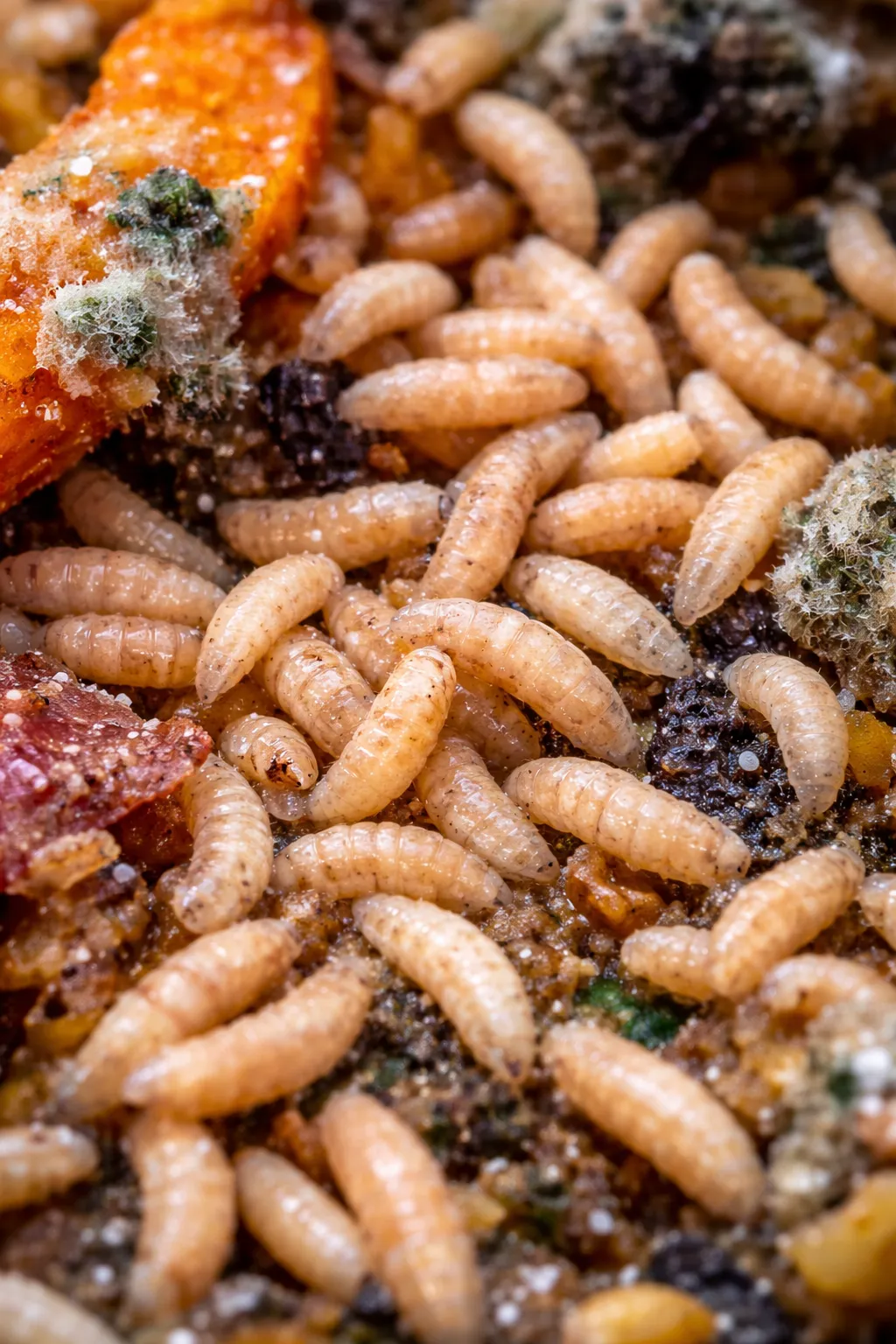
Maggots:
Cream-colored larvae in garbage, drains, or decaying matter
Unusual Odors:
Musty or sweet smells from drains or hidden breeding sites
Buzzing Sounds:
Especially in wall voids, attics, or near windows
Signs of a Fly Infestation
Numerous Adult Flies:
Visible flies buzzing around windows, lights, or food
Small Dark Spots:
Fly excrement on windows, walls, or light fixtures
Maggots:
Cream-colored larvae in garbage, drains, or decaying matter
Unusual Odors:
Musty or sweet smells from drains or hidden breeding sites
Common Types of Flies
Several factors can make your home attractive to flies:
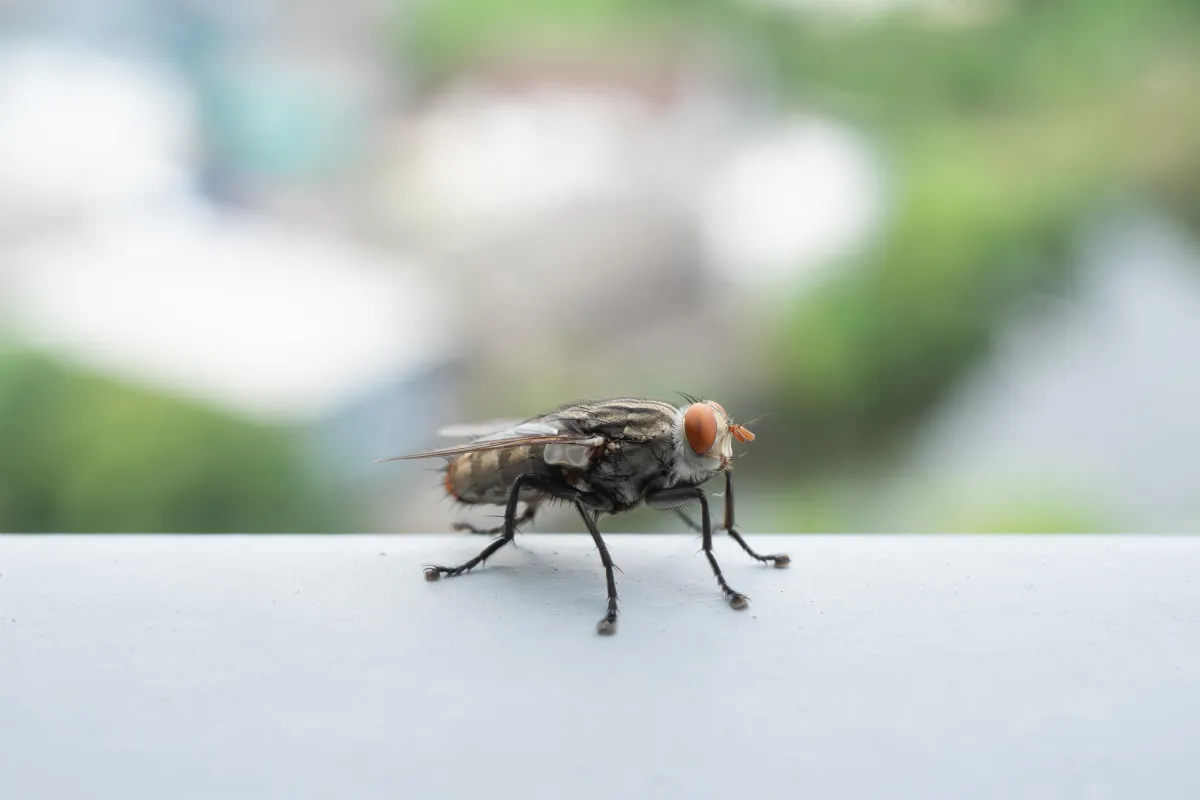

House Flies
Size: 5-8mm long
Color: Gray with four dark stripes on thorax
Behavior: Feed on garbage, excrement, and food wasteshes.
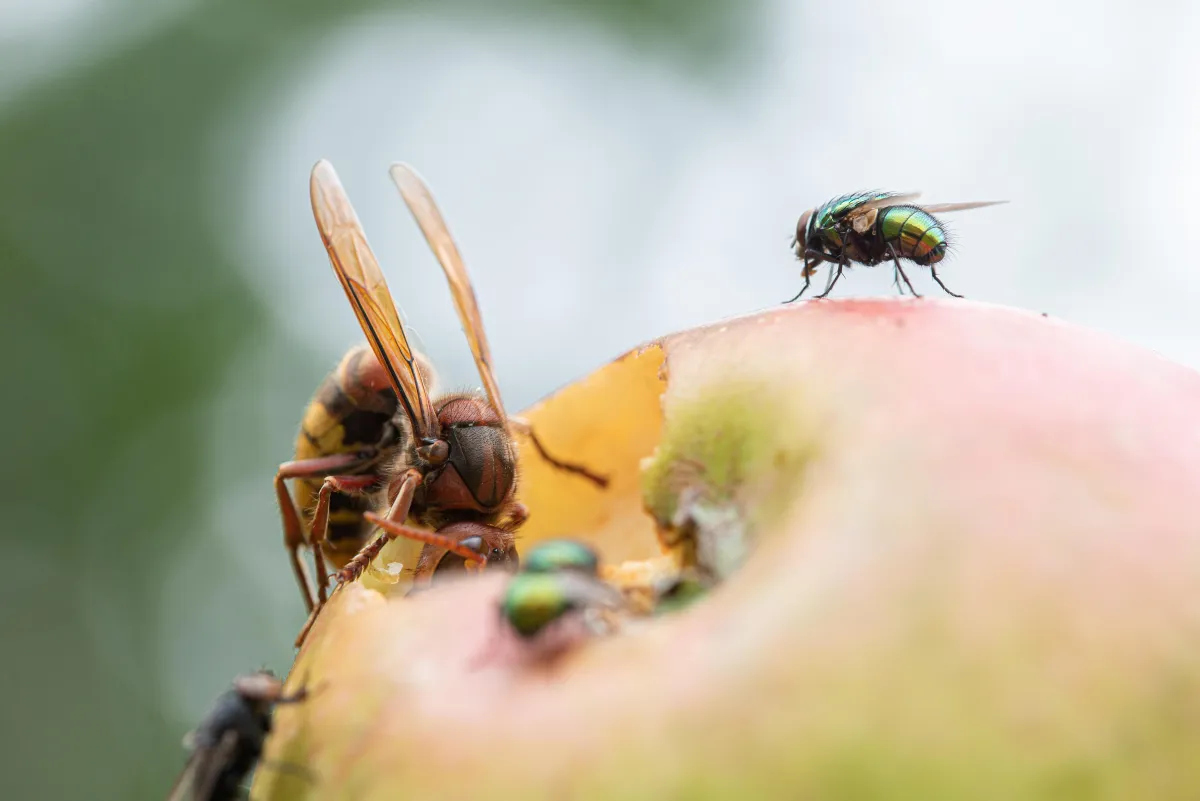

Fruit Flies
Size: 3-4mm long
Color: Tan or light brown with red eyes
Behavior: Attracted to fermenting fruits, vegetables, and beverages
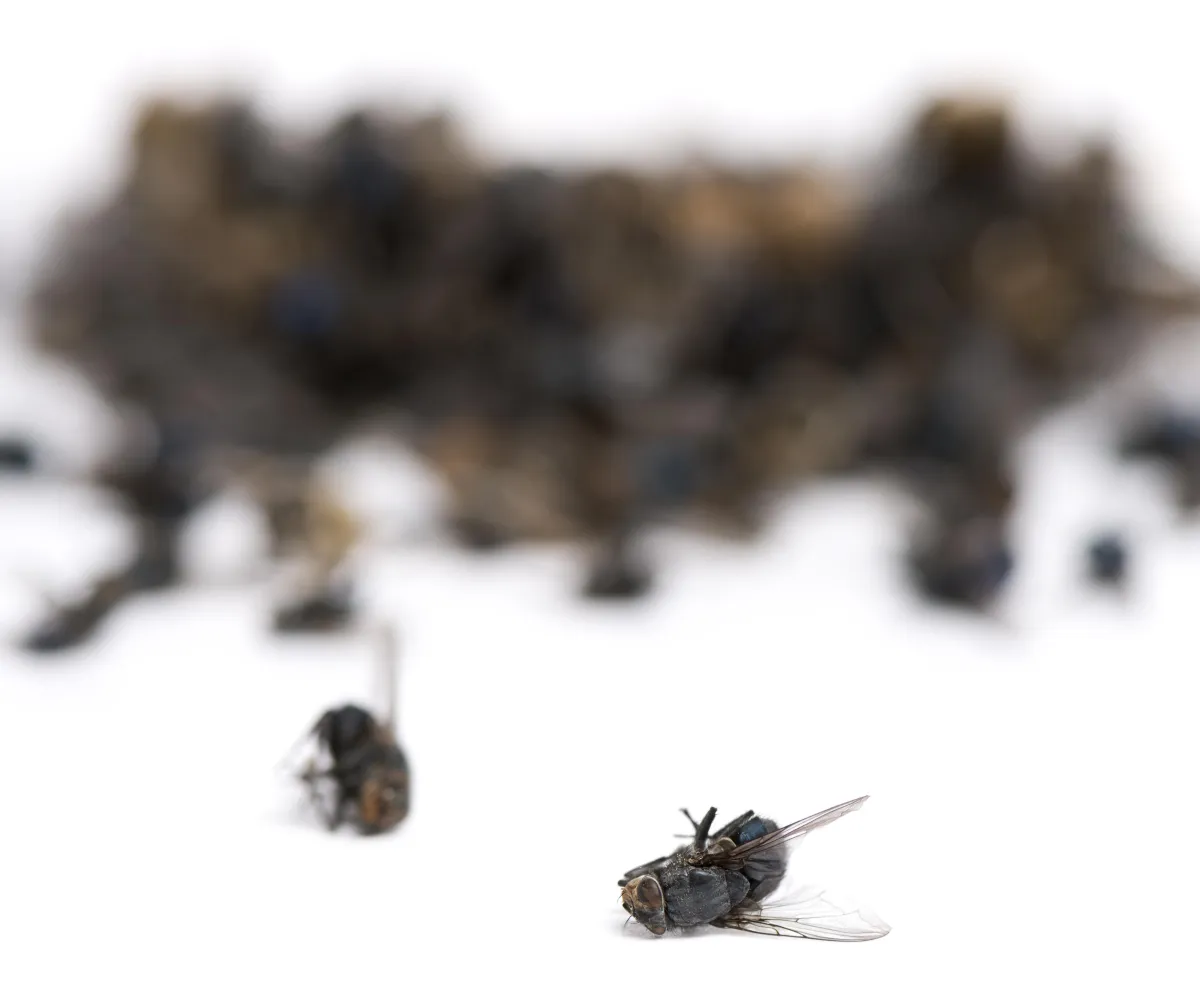
Cluster Flies
Size: 8-10mm long
Color: Dark gray with golden hairs
Behavior: Enter homes in fall to overwinter, cluster in attics and wall voids
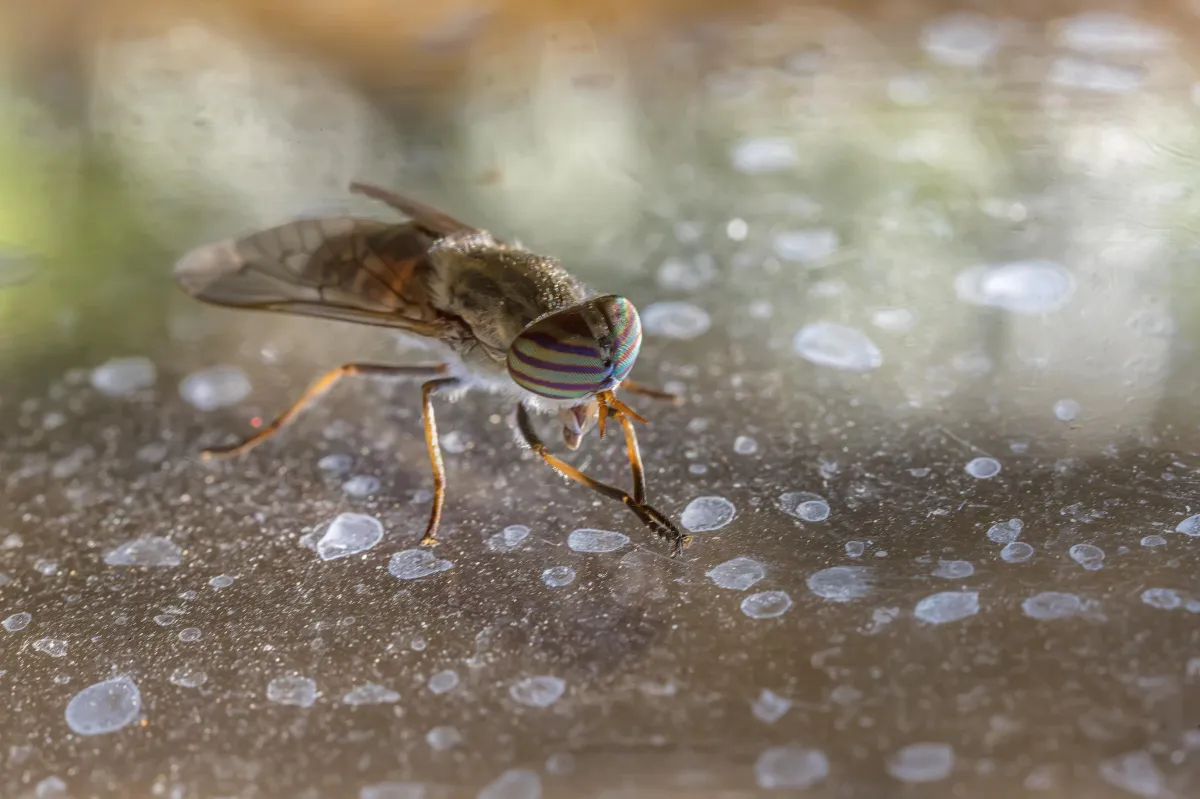
Drain Flies
Size: 2-5mm long
Color: Light gray or tan with moth-like appearance
Behavior: Breed in the organic matter in drains and pipes
The Dangers of Fly Infestations
Flies pose several risks to health and comfort:
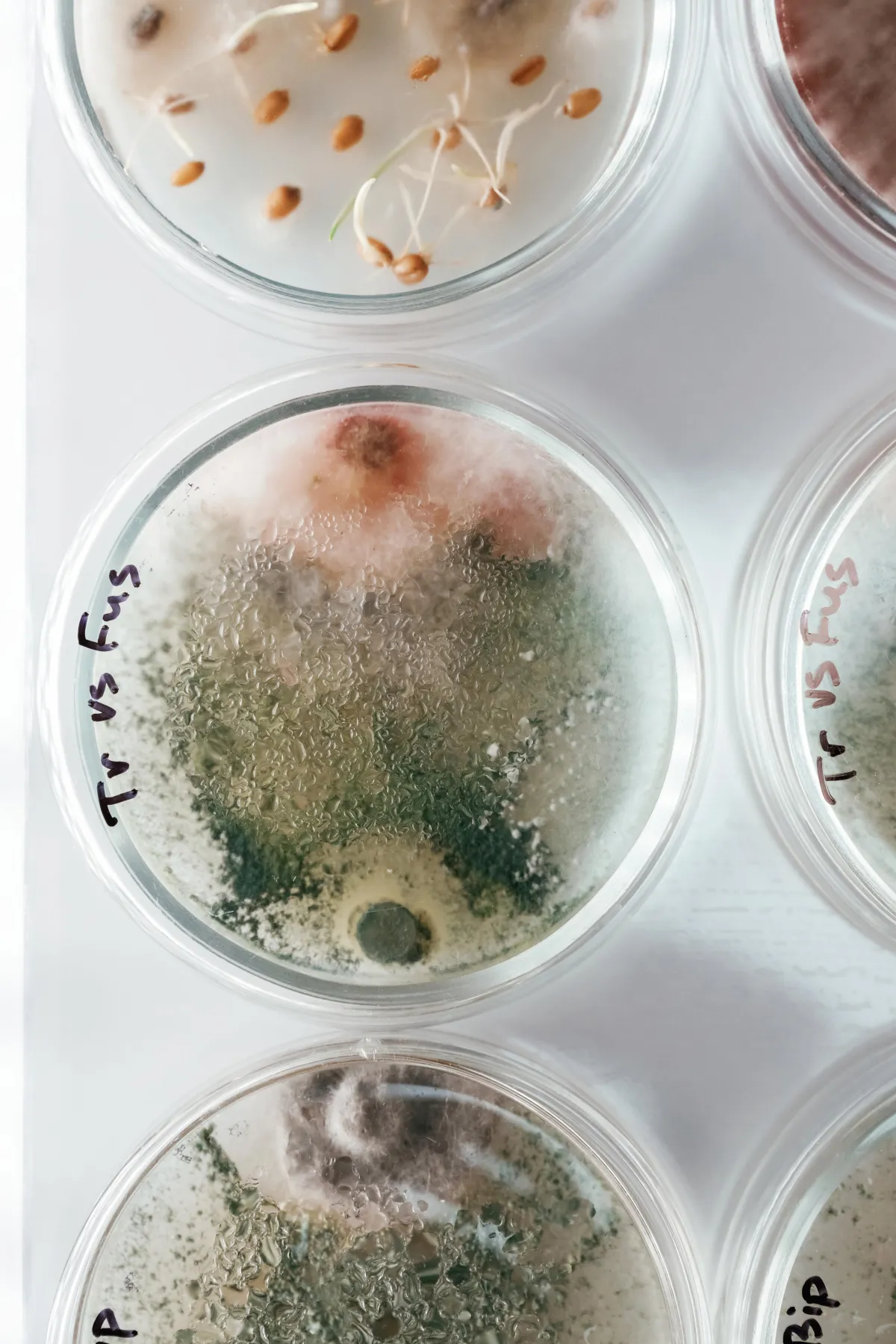
Disease Transmission:
Flies can carry and spread over 100 different pathogens including E. coli, Salmonella, and typhoid
Food Contamination:
They regurgitate digestive fluids onto food before feeding
Bacteria Spread:
Their hairy bodies collect and transfer bacteria from surface to surface
Allergen Source
Fly debris can trigger allergic reactions in sensitive individuals
Our Comprehensive Fly Control Approach
We take a multi-faceted approach to fly control:

Thorough Inspection
Our technicians will conduct a detailed inspection to:
Identify the types of flies present
Locate breeding sites and entry points
Determine the extent of the infestation
Identify contributing factors that may be enabling the infestation
Customized Treatment Plan
Based on our findings, we'll develop a tailored fly control plan that may include:
Exterior Treatments
Targeted treatments for breeding sites
Installation of fly traps or light traps
Application of residual insecticides in strategic locations
Drain treatments for drain fly infestations
Exterior treatments to prevent entry
Preventative Measures
We'll help prevent future fly problems by:
Sealing entry points
Recommending sanitation improvements
Suggesting waste management solutions
Addressing moisture issues that attract flies
Follow-Up Protection
Our commitment to fly control includes:
Scheduled follow-up visits to ensure complete elimination
Ongoing monitoring for signs of reinfestation
Additional treatments as needed
Continuous protection against future fly problems
Why Our Flies Control Works
Our approach is effective because we:
Target the Colony
Focus on eliminating the queen(s) and entire colony, not just visible worker ants
Use professional-grade baits that workers carry back to the nest
Implement non-repellent products that spread throughout the colony via social interaction
Address Root Causes
Identify and remediate conditions attracting ants to your property
Seal entry points to prevent new colonies from establishing
Recommend ongoing prevention practices to keep ants away
Provide Ongoing Protection
Scheduled maintenance visits to maintain protective barriers
Prompt response if ants return between scheduled visits
Seasonal adjustments to address changing ant behaviors
Fly Prevention Tips
To help keep flies away from your home:
Sanitation Practices
Use tightly sealed containers and clean them regularly
Keep food covered and store fruits in the refrigerator
Clean spills, crumbs, and food debris promptly
Regularly clean pet areas and dispose of waste properly
Home Maintenance
Window and Door Screens: Ensure they are intact and properly fitted
Door Sweeps: Install or repair to prevent entry
Drain Cleaning: Regularly clean drains with enzymatic cleaners
Moisture Control: Fix leaks and eliminate standing water
Our Fly Control Guarantee
We stand behind our services with our satisfaction guarantee. If heavy fly activity returns between scheduled treatments, so will we—at no additional cost to you.
Frequently Asked Questions
Find answers to common questions about our services.
What happens if pests come back between visits?
Will rain wash away the treatment?
Do you treat block walls, weep holes, or behind utilities?
What’s included in a “barrier treatment” anyway?
Do you notify me before my next service?
Can you treat during the winter?
How do you prevent scorpions vs kill them?
Are your technicians licensed and background-checked?
Can I switch from quarterly to bi-monthly or monthly service?
What if I move? Can I transfer my service?
Ready for
Fly-Free Living?
Don't let flies disrupt your comfort and compromise your health. Our professional fly control services provide effective, lasting solutions to eliminate these persistent pests.
We guarantee your satisfaction—if flies return between scheduled treatments, so will we at no additional cost


Contact us
Services
Service Area


LEGAL
© Copyright 2026. Desert Shield Pest Control. All Rights Reserved.